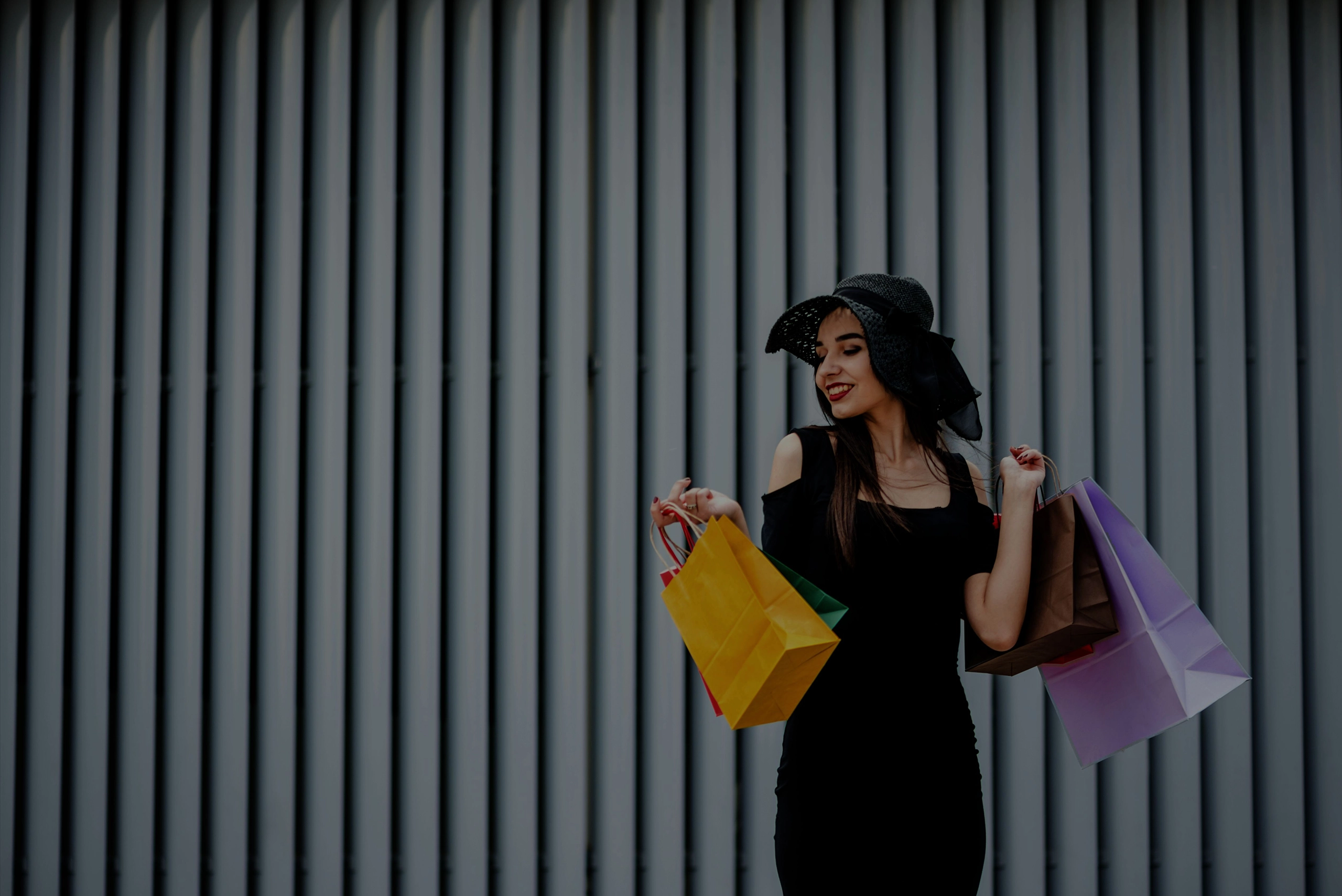
What your favorite colors

Deprecated: Using null as an array offset is deprecated, use an empty string instead in /home/wjsajgcr/public_html/listasklepow.wpdesigner.pl/wp-includes/class-wp-block-type-registry.php on line 168
Deprecated: Using null as an array offset is deprecated, use an empty string instead in /home/wjsajgcr/public_html/listasklepow.wpdesigner.pl/wp-includes/class-wp-block-type-registry.php on line 168
Deprecated: Using null as an array offset is deprecated, use an empty string instead in /home/wjsajgcr/public_html/listasklepow.wpdesigner.pl/wp-includes/class-wp-block-type-registry.php on line 168
Deprecated: Using null as an array offset is deprecated, use an empty string instead in /home/wjsajgcr/public_html/listasklepow.wpdesigner.pl/wp-includes/class-wp-block-type-registry.php on line 168
Deprecated: Using null as an array offset is deprecated, use an empty string instead in /home/wjsajgcr/public_html/listasklepow.wpdesigner.pl/wp-includes/class-wp-block.php on line 257
Deprecated: Using null as an array offset is deprecated, use an empty string instead in /home/wjsajgcr/public_html/listasklepow.wpdesigner.pl/wp-includes/class-wp-block-type-registry.php on line 168
Deprecated: Using null as an array offset is deprecated, use an empty string instead in /home/wjsajgcr/public_html/listasklepow.wpdesigner.pl/wp-includes/class-wp-block-type-registry.php on line 168
Deprecated: Using null as an array offset is deprecated, use an empty string instead in /home/wjsajgcr/public_html/listasklepow.wpdesigner.pl/wp-includes/class-wp-block-type-registry.php on line 168
Deprecated: Using null as an array offset is deprecated, use an empty string instead in /home/wjsajgcr/public_html/listasklepow.wpdesigner.pl/wp-includes/class-wp-block-type-registry.php on line 168
Deprecated: Using null as an array offset is deprecated, use an empty string instead in /home/wjsajgcr/public_html/listasklepow.wpdesigner.pl/wp-includes/class-wp-block-type-registry.php on line 168
Understanding the Psychology Behind Favorite Colors
Colors play a significant role in our lives, influencing our emotions, thoughts, and behaviors. When we talk about favorite colors, we often find that our preferences can reveal much more about our personalities than we realize. Different colors evoke different feelings and associations, which can vary across cultures and individuals. For instance, a person who loves the color blue may feel a deep sense of calm and serenity, while someone who prefers red might be seen as passionate and energetic.
The psychology of color suggests that our favorite hues can reflect our inner selves and emotional states. In many cases, individuals gravitate toward colors that resonate with their feelings at a given time. For example, during periods of stress, one might find comfort in soft, pastel shades, while during times of happiness, vibrant colors like yellow or orange may become more appealing.
Moreover, cultural influences play a crucial role in determining favorite colors. In some cultures, white is associated with purity and peace, while in others, it is connected to mourning. Similarly, colors like green can symbolize growth and renewal in some societies, whereas they may represent envy or greed in others. This cultural context adds another layer of complexity to our color preferences.
In addition, personal experiences shape our relationships with colors. A childhood memory of a bright red barn or the calming blue of a summer sky can influence our preferences for years to come. When we think about our favorite colors, it’s helpful to consider not just the colors themselves but also the emotions and memories they evoke.
As we explore the significance of favorite colors, we can gain insight into ourselves and others. Understanding these preferences can enhance our relationships and improve our communication. For instance, knowing that a friend feels relaxed in a green environment can help us create a more comforting atmosphere when they visit. Similarly, being aware of someone’s aversion to a particular color can guide our choices in gifts or decorations.
In conclusion, our favorite colors are not just aesthetic choices but are deeply intertwined with our emotions, cultural backgrounds, and personal experiences. By delving into the psychology of color, we can better understand ourselves and the world around us.
The Science of Color Preferences
Color preferences are not solely a matter of personal choice; they are influenced by various psychological and biological factors. Research has shown that individuals often have innate reactions to certain colors, which can be traced back to evolutionary psychology. For example, humans may have developed a preference for green because it signifies fertile land and abundant resources. On the other hand, avoidance of colors like yellow may stem from its association with caution and danger in nature.
Moreover, studies indicate that gender and age can also affect color preferences. Traditionally, studies have shown that women tend to prefer colors like purple and blue, while men often favor blue and green. However, these trends are not universal, and individual preferences can vary widely. Age also plays a role; children often gravitate toward bright, primary colors, while adults may prefer more subdued tones.
Interestingly, our surroundings and societal trends influence our color choices as well. For instance, the popularity of particular colors can change over time due to fashion, art, and design trends. The color of the year, as determined by color experts, can sway public opinion and lead to increased preference for those shades. This phenomenon can be seen in various industries, from interior design to fashion.
Furthermore, colors can have a physiological impact on our bodies. Certain colors can raise or lower blood pressure, affect heart rates, and even influence our appetite. For instance, red is known to stimulate appetite, which is why many restaurants utilize this color in their decor. Conversely, cool colors like blue can have a calming effect, making them ideal for spaces designed for relaxation.
As we delve deeper into the science of color preferences, it becomes apparent that our choices are a complex interplay of biological, psychological, and cultural factors. Understanding these influences offers a fascinating glimpse into human behavior and can help us navigate our lives more effectively.
Exploring the Meaning Behind Popular Colors
Colors carry different meanings and symbolism around the world. Each hue can evoke distinct feelings and associations, shaping our preferences and experiences. Here, we will explore some of the most popular colors and their meanings.
-
Red: Often associated with passion, energy, and love, red is a powerful color that draws attention. It can evoke strong emotions and is frequently used in marketing to stimulate excitement.
-
Blue: This calming color symbolizes trust, loyalty, and peace. Blue is often seen in corporate branding, as it conveys professionalism and reliability.
-
Green: A color of nature, green represents growth, renewal, and health. It is often associated with tranquility and balance, making it a popular choice for wellness spaces.
-
Yellow: Bright and cheerful, yellow symbolizes happiness and optimism. This color can stimulate mental activity and is often used to attract attention.
-
Purple: Associated with royalty and luxury, purple symbolizes creativity and ambition. It can evoke feelings of mystery and spirituality.
-
Orange: A vibrant and energetic color, orange combines the energy of red and the cheerfulness of yellow. It is often associated with enthusiasm and creativity.
-
Pink: Often seen as a color of love and compassion, pink can evoke feelings of tenderness and nurturing. It is frequently used in branding aimed at women.
-
Black: Symbolizing elegance and sophistication, black can also represent power and authority. It is often used in fashion and luxury branding.
-
White: Representing purity and simplicity, white is often associated with cleanliness and innocence. It is commonly used in design to create a sense of space.
Understanding the meanings behind these colors can enhance our awareness of how they impact our daily lives. For instance, choosing the right color for a room can influence the mood and atmosphere. Similarly, selecting colors for clothing can affect how we feel and how others perceive us.
Colors also play a significant role in branding and marketing. Companies carefully choose colors to represent their brand’s identity and values. For example, green is often used in eco-friendly brands to signify sustainability, while blue is popular in the tech industry for its association with innovation and trust.
By understanding the meanings and associations of colors, we can make more informed choices in our personal and professional lives. Whether it’s selecting a paint color for our home, choosing an outfit, or developing a marketing strategy, the psychology of colors can offer valuable insights.
The Cultural Significance of Colors
Colors are not only significant on an individual level but also carry deep cultural meanings that vary across the globe. Each culture has its unique perspectives on colors, influencing how they are perceived and used in various contexts. Understanding these cultural nuances can enhance our appreciation for colors and their roles in different societies.
In Western cultures, white is often associated with purity and innocence, commonly used in weddings and celebrations. However, in some Eastern cultures, white is linked to mourning and is worn at funerals. This stark contrast highlights the importance of context when it comes to color perception.
Red is another color that holds diverse meanings worldwide. In China, red symbolizes good fortune and joy, making it a popular color for celebrations and weddings. In contrast, in some African cultures, red can represent mourning and sacrifice. Thus, the same color can evoke entirely different emotions and associations depending on the cultural lens through which it is viewed.
Green, often associated with nature and growth, can also have different connotations. In Ireland, green is a symbol of national pride and identity, while in the Middle East, it is often associated with Islam and prosperity. Understanding these cultural connections can deepen our appreciation for the colors and their significance in various societies.
Furthermore, the use of colors in art and design reflects cultural values and beliefs. For example, Indigenous cultures often use specific colors to represent their traditions, stories, and spiritual beliefs. In contrast, contemporary art movements may utilize colors to challenge societal norms and provoke thought.
As we navigate a multicultural world, being aware of the cultural significance of colors can enhance our interactions and relationships. It allows us to communicate more effectively and demonstrate respect for diverse perspectives.
In conclusion, the cultural significance of colors is vast and varied. By exploring these meanings, we can gain a deeper understanding of the world around us and the ways in which colors shape our experiences.
Personal Reflections on Favorite Colors
Reflecting on our favorite colors can be a meaningful exercise, revealing insights into our personalities and preferences. Many people find that their color choices resonate with their emotions and life experiences. For instance, someone who has a favorite color of blue may feel a strong connection to calmness and tranquility, perhaps due to a cherished memory of a peaceful beach.
Additionally, our favorite colors may evolve over time as we grow and change. During different life stages, we may find ourselves drawn to different hues that reflect our current feelings and experiences. For example, a bright yellow may symbolize optimism during a joyful period, while a muted gray may resonate during times of reflection or sadness.
This personal connection to color can also influence our choices in various aspects of life, from home decor to fashion. When we choose colors that resonate with us, we create environments that reflect our identities and foster a sense of comfort. A home decorated in calming blues and greens may provide a soothing atmosphere, while a vibrant palette of reds and oranges can energize and inspire creativity.
Moreover, our favorite colors can shape our interactions with others. Sharing our color preferences can lead to deeper connections and understanding in relationships. For instance, discussing the meanings behind our favorite colors can spark conversations about emotions and memories, fostering closeness and intimacy.
As we reflect on our favorite colors, it’s essential to recognize that these preferences are deeply personal and can vary widely from person to person. What resonates with one individual may not have the same significance for another. This diversity is what makes our relationships and interactions rich and meaningful.
In a world filled with colors, taking the time to explore our favorites can enhance our self-awareness and deepen our connections with others. By understanding the significance of our chosen hues, we can create spaces and experiences that reflect our true selves.
To explore more about colors and their meanings, check out this informative article on Color Psychology and learn more about the cultural significance of colors around the world, including insights from Color Blind Awareness.
For more engaging content, visit Listasklepow.pl.